There is a difference between Knowledge, Knowing, and Wisdom. Knowledge is acquired, Knowing is realization, and Wisdom must be earned.
Sadhguru
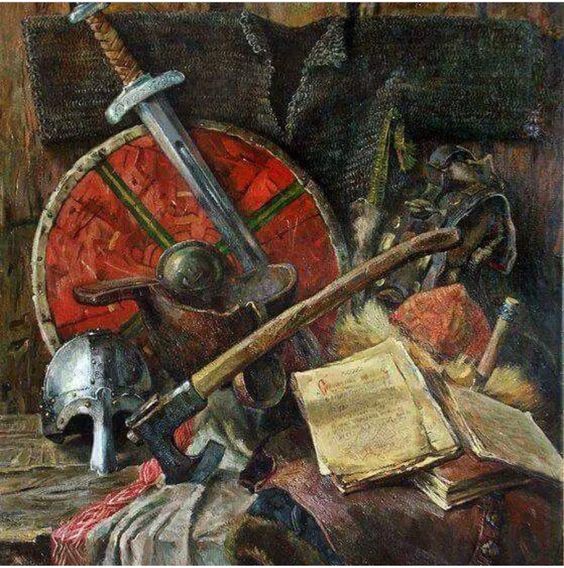
I was raised in a southern aristocratic family that moved to Florida in 1790 with a land grant that grew to 20,000 acres by the 1860s. The extended family was extensive and included other prominent families. This was nothing new. When my ancestors served in Norway as part of the Norwegian royalty, they formed alliances with the Swedish Crown and later England through marriage and treaties before coming to America in 1610.
When the family arrived in America, they brought their noble virtues. They taught their code of honor to each generation of the family until it was my turn to grow up in the shadow of men and women who were not only part of history but were the history of Western civilization by their oaths and deeds.
So it was no wonder that when my time came, I chose military service and sought the connection to my heritage by humbling myself with the burdens of honorable service. It was expected, and I delivered. It wasn’t until I met my soul’s shadow in the Highlands of Southeast Asia on the border between Cambodia and Vietnam that the true light of noble virtue was awakened in me.
I learned, as if it were my destiny, that noble virtue is not limited to the rise of European culture. While my ancestors were eating mastodon burgers in a dank cave, the East was already far advanced in the people’s search for contentment and enlightenment in a world of sorrows. Along the silk road, the East met the West, and cultural knowledge was shared eagerly even as religion began to overshadow all knowledge and wisdom.
I was taught the 9 Noble Virtues before I was six. I could recite them with understanding to any male member of my extended family that demanded it. This was how we were taught. Everyone took an interest in teaching me, my siblings, and my many cousins the virtues that separated us from less virtuous people. Anne was also taught the same noble virtues in the orphanage where she grew up. These are the virtues expected of a warrior whose enemy is the dark shadows of human nature.
Courage was first and foremost. Without courage, the shadows prevail. One must face fear to achieve challenging goals and to defend loved ones and the innocent.
Discipline comes next and demands we do the right thing even without guidance. We must possess the moral compass and ethical skills to know right from wrong, and choosing right when wrong would offer us greater comfort.
Fidelity is one’s word, and one must always remain true and faithful to those that depend on us. Fidelity is a choice that one must suffer gracefully.
Honor is meant to stand by one’s oath and to prove steadfast allegiance through word and deed. My oath was to protect the Constitution and defend the people of the United States from all foreign and domestic enemies.
Hospitality was sharing what I owned with those less fortunate. I was to give shelter, food, and water to those in need with dignity and grace, and I have done that as a matter of my daily life. The one thing my family always did was offer water or other appropriate drink to anyone who came to our door.
Industriousness was ground into my cow milk calcified brain from day one. I had my first paying job at age eight and worked throughout my school years, and at 18 started my career. I attribute my success in life to my vision of what I wanted to do and what I needed to do to get there. Then I did it. Of course, one should not sacrifice other essential aspects of life just to be industrious. That was a lesson I had to learn.
Perseverance. Not enough can be said about perseverance. This requires a mindset that accepts the many challenges life hands us that counter our vision of what we want out of life. There will be setbacks, and some will seem insurmountable. However, to get back up again and move forward with the intent to do better than before is a hallmark of people who will not let the worst setbacks steal their future from them.
Self Reliance is more critical today than ever before. Growing up, my grandparents and their generation of my extended family had the skills to do whatever they set their mind to because they were raised in an America that had little to offer in the form of unlimited consumerism. They also didn’t have a large sum of disposable income. Everything went into sustaining the family. Their young adult lives were spent during the Great Depression, and my parents were born during the Depression and watched their parents sacrifice everything in WWII. My grandfather told me if a man had a dime in his pocket, he stole it or found it on the ground. I was interested in self-reliance and, throughout my life, learned how to repair the home, fix electronics, work on my vehicles, and grow food. If one doesn’t have the skills or the money to sustain themselves, we can imagine what their life would be like. That is our fate, too, if we become helpless in the face of great calamity.
Finally, the ninth Noble Virtue is Truth. As a practitioner of noble virtue, we must seek the truth, see what is true, speak the truth, and defend the truth. Today there is no such thing, and what is true is a matter of imagination. That is not truth; that is self-delusion. If one wants to question what is true, let the Noble Virtues guide them. My favorite quote reads, What is true remains true whether we choose to believe it or not.
These and many other aspects of living a noble and sincere life died as early as my youth. The move toward rampant consumerism as a function of capitalism and the strong desire to throw off the lessons and restrictions of our parents ate at the very heart of society. Today these nine virtues could be declared the oath of the Patriarch and a threat to individual freedom and liberty, the same things I gave 45 years of my life to preserving.
When Anne and I fell into the rhythm of Anne’s dream and my mission, we bonded in a way that transcended all our challenges. We met each day with a joyous heart and gratitude for each other. We set our day furthering our sustenance and building the small empire of agrarian connection to the good earth. We felt all of the discomforts of our labor. We were anxious that our crops could fail and our animals fall sick. Our fears were never far from us, but we both knew that fear, when used as the source of action to push harder toward success, was the key to our enduring happiness through purpose and achievement and our love for each other.


 Hyperion Sky
Leave a reply to Dracul Van Helsing Cancel reply